Children teach us non-attachment
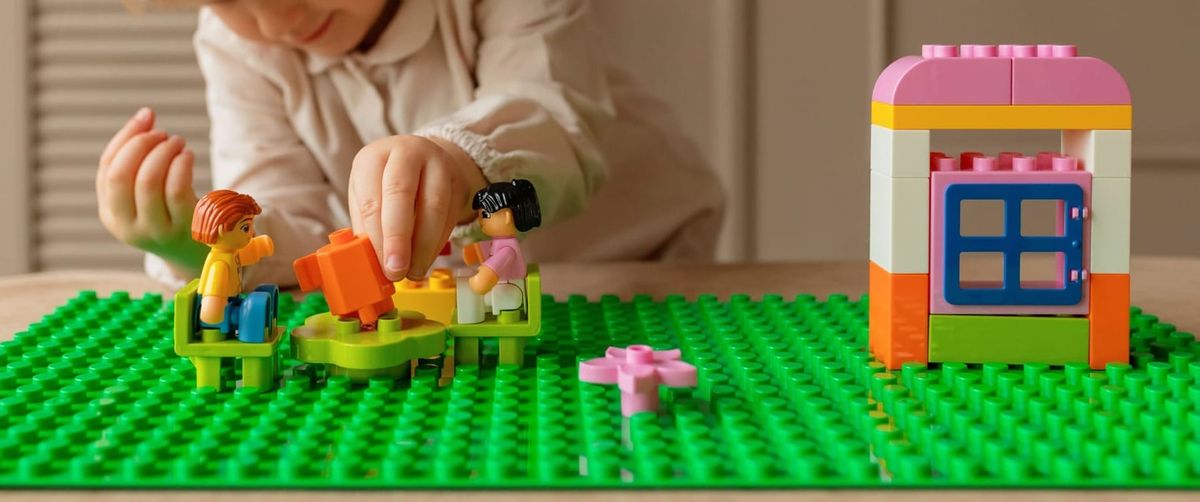
One morning, my four-year-old and I put together a small jigsaw puzzle. On completion, she looked pleased and proceeded to gleefully take the pieces apart.
It wasn't an unfamiliar scene. I have seen all my children do the same, whether it is with a 200-piece jigsaw or an elaborate Lego creation. They build, destroy and start over - always with joy and wonder.
With adults, the opposite happens. We work hard to build our lives, consequently creating identifies that seemingly cement our place in the world - manager/lawyer/doctor/chef/programmer/teacher/provider/spouse/parent... the list is endless. When we lose our job, marriage or people in our lives, these identities are pulled from under our feet. Our sense of safety and belonging in this world suddenly comes into question. We have become so attached to these socially accepted labels that somehow not having them compels us to ask "who am I?".
The thing is that we have always known that all things are transient - from jobs and relationships to feelings, weather conditions and physical objects. Given enough time, even a solid table will one day break down, its invisible molecular and atomic bonds rearranging themselves into something else.
Children, with little social conditioning, instinctively understand this. They move from sobs to laughter in minutes, allowing their bodies to shed every emotion until circumstances compel them to suppress authenticity to please adults. The little ones create with little attachment to their final product, knowing that the teardown of one structure will simply lead to a remake, oftentimes a better one.
This easy-come-easy-go nature doesn't stay. As humans grow up, every decision - from which school we attend to the jobs we take - suddenly becomes high-stakes and heavily consequential. As a result, every loss or failure makes us grief to no end, even when we know those things and relationships were never really meant to be with us in perpetuity.
We equate destruction with permanent loss, when the former merely makes room for something new to take root. Suffering occurs when our minds cling on to old labels that don't serve our highest good; suffering goes away when we open our hearts and reframe every loss or failure as a rearrangement of life.
I don't always come to this conclusion quickly. Or rather, my visceral responses don't catch up as quickly as the intellect that is always wanting to explain suffering away. Detachment of any kind is boss-level upskilling, but is something that I do not wish to wait till my dying breath to master - but isn't it ironic that this yearning for "enlightenment" is also a form of attachment?
But if there is anything I have learned from my children, it is that there isn't any rush to know everything. And maybe it takes many more detours, life chapters or lifetimes to be torn down before I get even get close to detachment. And that too will be fine, all things will be.