Let's not allow wellness to become a lifestyle only for the rich
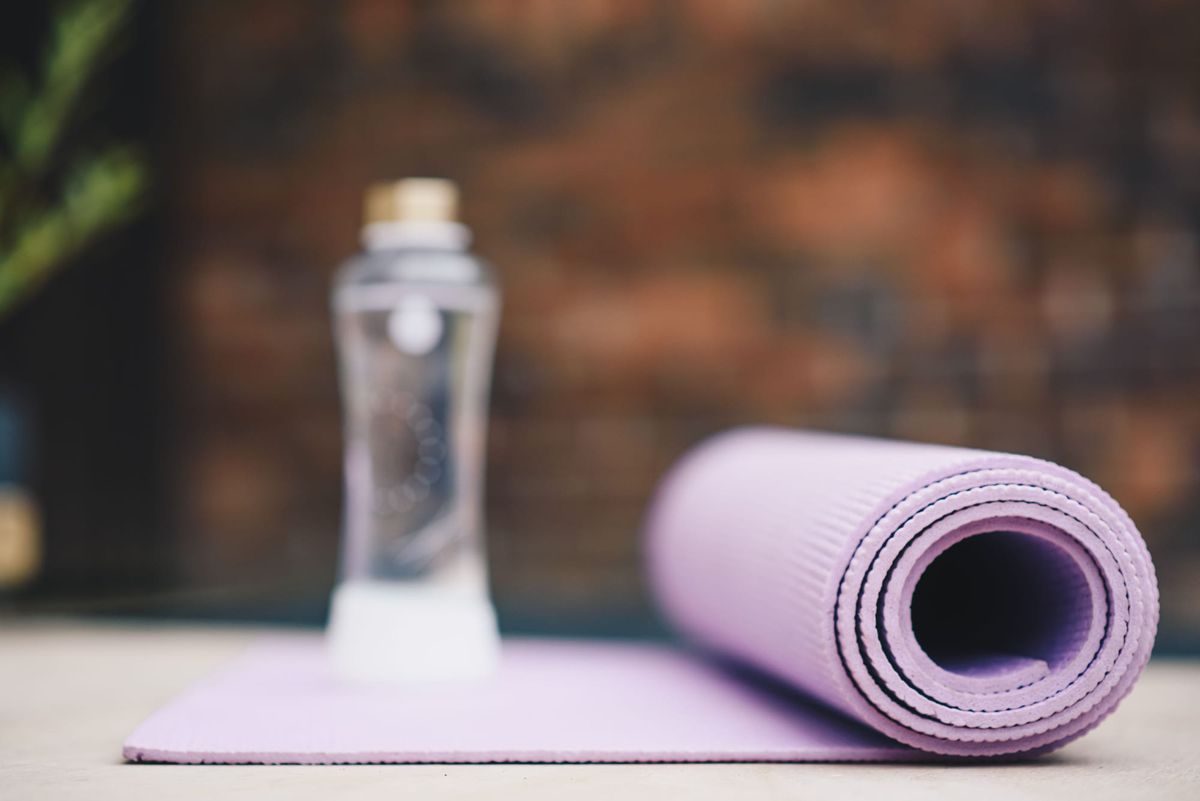
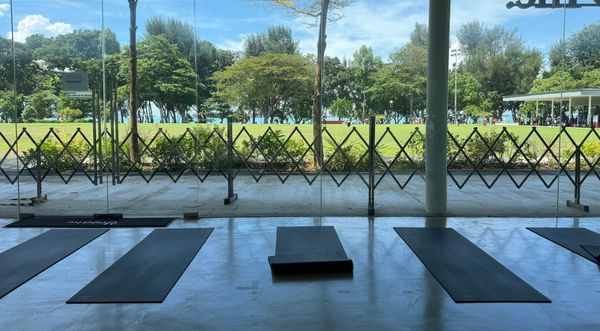
The recent spate of gym and yoga studio closures in Singapore and overseas has left many reeling. Well loved brands shuttered abruptly, leaving many freelance fitness instructors and yoga teachers unpaid and customers hung out to dry with unused packages.
To a great extent, these closures shouldn't be surprising to anyone. Simple mathematics would inform even a primary school child that the studio business, burdened with high rent and increased operating costs all-around, is a crazily unsustainable model.
ClassPass further muddies the water. When I first started teaching, I was surprised to discover that some people could get into their first classes for free; and some studios price their classes so low that if all 20 people in the room booked via CP, the studio would probably be operating at a loss.
Naturally, some fitness and yoga studios have pulled away from CP, preferring to nurture committed "quality" members instead of the more price-sensitive CP users. (Full disclosure: I subscribe to CP on top of my gym membership, until the gym unceremoniously went into liquidation.)
This all sounds reasonable, until we reach a tipping point where more and more people - especially the less well-off - start to get priced out of access to better-quality fitness and wellness spaces. Which is to me, the biggest shame because some of these folks, ranging from stay-home mums to the retrenched and the elderly, are the ones most in need of physical, mental and emotional regulation.
For businesses, this could also become a perpetuating cycle - fewer people can afford to attend classes. Studios become emptier, communities wither away. Some businesses will close. Those that survive become further gentrified and inaccessible to the masses.
Some may think I'm being dramatic. In Singapore, there are free government-organised workouts - from zumba and pilates to yoga and kickboxing - at many locations. But many of these free and popular workouts get booked out quickly. And sure, anyone could work out or meditate to instructions on YouTube. But solitary practices done in front of a computer do not favour those who are in need of community and a facilitator who can answer questions on the spot.
To be clear, this isn't a new phenomenon. That those who can afford a studio or gym membership have always belonged in a certain socioeconomic bracket. They are either gainfully employed and/or are well-supported with resources within the family. Those who can't afford it use CP - not ideal for businesses - or simply toss self-care aside as something to return to during a better season of life.
Could there be a more compassionate way to do things?
As a part-time yoga facilitator and mother-of-three who is constantly on a tight budget, the market circumstances are gut wrenching. Gym and studio owners certainly need to keep the lights on; livelihoods are at stake. But so should the masses enjoy easier access to fitness and wellness spaces. Why do we continue to just keep these communities limited to the relatively privileged?
Seeing as landlords would never consider lowering rents in land-scarce cities, could businesses consider these models that may make the fitness and wellness industry a more equitable one:
- A flexible or sliding scale structure: Those who can afford it pay more or pay standard rates, while those facing financial difficulty (managed case by case) enjoy subsidised rates.
- Pay it forward: Allow wealthier customers to purchase a package for the next person who needs it.
- Open up donation-based/ pay-you-wish classes once a week
These suggestions are neither new nor radical but implementation takes trust. After all, an ideal system works only if those who can afford to give more actually do so, happily out of the goodness of their hearts. One can only put a guess to how many there are in our own communities, especially at a time when everyone feels squeezed and exploited to some extent. But if we don't believe in goodness, where does change start to happen? If we begin to evolve our unfair marketplace now, perhaps there is still hope for us all as a humanity.